
Quick Answer: Trenchless pipeline rehabilitation restores old underground pipes by rebuilding them internally without excavation. Using advanced no-dig pipe repair technologies such as cured-in-place liners, pipe bursting, and slip lining, this method seals cracks, blocks root intrusion, corrects corrosion damage, and renews structural strength. The result is a durable, pipe-within-a-pipe system that can extend service life by several decades while preserving landscaping, foundations, and pavement.
Understanding Trenchless Pipeline Rehabilitation
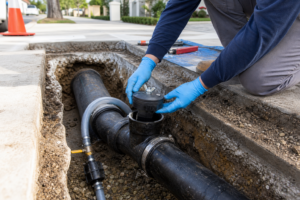
Trenchless pipeline rehabilitation is a method of underground pipe repair that restores function and strength without digging trenches.
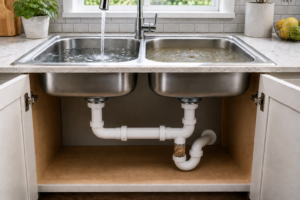
Homeowners facing recurring leaks, slow drains, or unexplained sewer odors should consider trenchless pipe repair early, as delaying action often allows corrosion damage and root intrusion to worsen, increasing long-term repair complexity.
Instead of removing the old pipe, technicians rehabilitate it internally using modern lining or replacement systems.
This approach is widely used for aging underground infrastructure made from:
- Clay pipes
- Cast iron pipes
- Concrete pipes
- PVC pipes
In dense urban areas, trenchless solutions are favored because they avoid damage to sidewalks, driveways, and structural slabs while delivering long-term reliability.
Why Underground Pipes Fail Over Time
Old underground pipes fail due to age-related deterioration and environmental stress. Even well-installed pipes degrade after decades of use.
Common Causes of Failure Include:
- Corrosion damage in cast iron systems
- Root intrusion through joints and cracks
- Soil movement causing cracks and fractures
- Reduced flow capacity from mineral buildup
Tip: Repeated drain clogs often signal internal pipe damage, not surface blockages.
Initial Inspection and Diagnosis Process
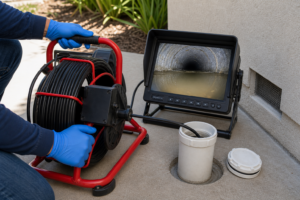
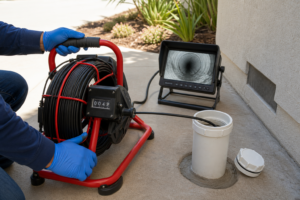
Every successful rehabilitation begins with a precise inspection. Technicians rely on CCTV camera inspection tools to assess internal pipe conditions and accurately find underground water pipe leaks before determining whether lining, bursting, or other trenchless methods are required.
The preparation process typically involves:
- Video pipe inspection to locate damage
- Mechanical pipe cleaning to remove debris
- High-pressure water jetting to clear scale
- Identifying access points or small entry pits
- Temporary bypass pumping if required
Robotic cutter technology is sometimes used to remove obstructions or prepare the pipe interior for lining.
Quick Fix: Early-stage root intrusion may be manageable if addressed before structural lining becomes necessary.
Core Trenchless Rehabilitation Technologies Explained
Different trenchless rehabilitation methods are selected based on pipe condition and damage severity.
Trenchless Rehabilitation Method Comparison
Method | Ideal Use Case | Structural Strength | Digging Required |
Cured-in-Place Pipe (CIPP) | Cracks & leaks | High | No |
Pipe Bursting | Collapsed pipes | Full replacement | Minimal |
Slip lining | Large-diameter pipes | Moderate | Small access |
Spray-in-place pipe lining (SIPP) | Corrosion protection | Moderate | No |
Each solution restores pipe functionality while minimizing surface disruption.
How Cured-in-Place Pipe (CIPP) Restores Pipes
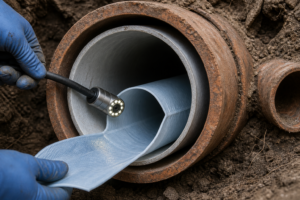
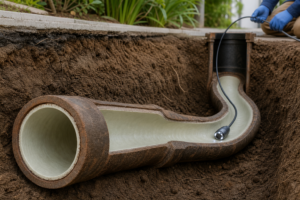
CIPP creates a brand-new structural pipe inside the old one. A resin-impregnated liner is inserted into the damaged pipe and expanded using an inflatable liner or packer.
The liner is cured using:
- UV light
- Steam
- Hot-water curing
Once cured, the liner forms a seamless pipe-within-a-pipe system that resists corrosion and root intrusion.
This method is commonly referred to as inversion pipe lining and is one of the most durable solutions available today.
Pipe Bursting for Severe Structural Failure
Pipe bursting replaces pipes that are too damaged to line. A bursting head fractures the existing pipe while pulling a new HDPE liner into place.
This approach is effective when homeowners are dealing with a burst pipe that poses immediate risk to property. When collapse is extensive, homeowners often seek affordable pipebursting experts to avoid full excavation.
Slip Lining and Spiral Wound Systems
The slip lining rehabilitation method inserts a smaller pipe into the damaged one. Spiral wound lining forms a new pipe wall using interlocking PVC strips.
These methods are ideal for:
- Large-diameter sewer pipe rehabilitation
- Pipes with uniform wear
- Minimal deformation
They are especially useful where access points are limited.
Materials Used in Trenchless Rehabilitation
Material selection determines durability and lifespan.
Common Trenchless Rehabilitation Materials
Material | Function | Expected Lifespan |
Epoxy coating | Corrosion resistance | 30+ years |
HDPE liner | Full replacement | 50+ years |
Resin liners | Structural renewal | 40-50 years |
Pipe diameter and flow capacity are carefully calculated to maintain hydraulic performance after rehabilitation.
Installation, Curing, and Quality Control
Precision installation ensures long-term success. After liner installation, curing solidifies the material, followed by post-rehabilitation inspection to confirm integrity.
Robotic reinstatement restores lateral connections, ensuring all branch lines remain fully functional.
A trained trenchless pipelining technician oversees each step to prevent installation defects.
When Trenchless Solutions Are the Best Choice
Trenchless rehabilitation is ideal when excavation poses structural or aesthetic risks. Homeowners often choose this option to replace sewer lines without digging under foundations, landscaping, or hardscapes.
If pipes are structurally intact but deteriorating internally, this approach provides the most efficient long-term solution.
Local Factors Affecting Properties
Seismic activity, aging construction, and dense infrastructure increase the need for non-invasive solutions.
Many homeowners consult a local plumbing company to evaluate phased rehabilitation strategies for older properties.
Benefits of Trenchless Pipeline Rehabilitation
This approach delivers long-term performance with minimal disruption. Key advantages include:
- No large-scale excavation
- Faster project timelines
- Structural pipe renewal
- Improved flow efficiency
For pipes showing advanced wear, trenchless rehabilitation often outperforms traditional replacement methods.
Preventative Maintenance After Rehabilitation
Proper care extends pipe lifespan even further.
Recommended Practices
- Avoid chemical drain cleaners
- Schedule periodic video inspections
- Address early warning signs promptly
Tip: Routine inspections help catch minor issues before they escalate.
Call to Action: Restore Your Pipes Without Digging
Protect your property and avoid costly excavation. Coast to Coast Plumbing delivers advanced trenchless solutions that restore aging pipes efficiently and permanently.
📞 Call Coast to Coast Plumbing today: 3102755800
FAQs About Trenchless Pipeline Rehabilitation
Most systems last 40-50 years. Longevity depends on materials, installation quality, and existing pipe conditions.
Yes, seamless liners eliminate entry points. Roots cannot penetrate cured liners.
It works best for pipes that retain shape. Collapsed pipes usually require bursting instead.
Most residential projects are completed within one to two days.