

Quick Answer: Low gas pressure in house plumbing systems usually happens due to gas leaks, faulty gas regulators, blockages in gas lines, corroded pipes, or problems with the gas meter and utility gas supply. When pressure drops, gas appliances like stoves, heaters, and water heaters may produce weak flames, inconsistent heating, or stop working entirely. Other causes include loose joints, debris buildup, soil shifting around underground gas pipes, and undersized piping systems that cannot handle demand. Identifying the source early and scheduling professional inspection helps restore safe gas flow and prevent safety risks.
Why Gas Pressure Matters in Residential Plumbing Systems
Proper gas line pressure ensures your home’s gas supply system delivers consistent energy to appliances. Natural gas flows from the utility gas supply through the gas meter, gas regulator, and piping system before reaching each appliance.
When pressure becomes unstable, it disrupts gas delivery and reduces operational efficiency. Homeowners may experience low gas pressure in house, causing appliances to work harder while producing less heat.
The normal house natural gas pressure supplied to residential properties usually ranges between 3.5 to 7 inches water column (WC). If this level drops significantly, problems begin to appear across multiple appliances.
Understanding early signs of gas line problems can help homeowners identify issues before they escalate into safety hazards.
Common Causes of Low Gas Pressure in House Plumbing Systems
Several mechanical and environmental factors can disrupt consistent gas pressure in a home. These problems often originate within the piping system, the gas meter, or external infrastructure.
Gas Leaks in the System
A gas leak is one of the most common causes of low gas pressure in house systems. Leaks may occur because of:
- Loose joints
- Deteriorated fittings
- Corroded pipes
- Rodent damage
- Punctures caused by construction
Even a small leak reduces pressure across the entire gas line pressure network and creates serious safety risks.
Homeowners should prioritize detecting gas leaks early if they notice unusual odors or pressure drops.
Faulty Gas Regulator
The gas regulator controls the amount of pressure entering your home’s system from the gas meter.
When the faulty regulator fails due to internal diaphragm damage or clogging, it cannot maintain stable pressure levels.
Symptoms often include:
- Weak flame on burners
- Fluctuating appliance performance
- Sudden pressure imbalance
- Irregular gas flow
Blockages Inside Gas Lines
Another common reason for low gas pressure in house systems is blockages in gas lines.
Over time, several materials may accumulate within pipes:
Cause of Obstruction | Effect on Gas System |
Rust inside pipes | Restricts gas flow |
Scale buildup | Narrows pipe diameter |
Debris buildup | Causes partial blockage |
Sediment | Reduces gas delivery |
These line obstructions create resistance that reduces pressure and interferes with gas appliances.
Corrosion in Underground Gas Pipes
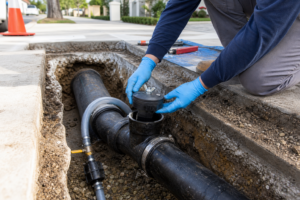
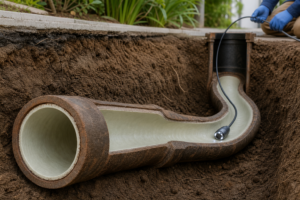
Many homes rely on underground gas pipes or buried pipelines to deliver fuel.
External environmental factors can weaken these pipes:
- Soil chemistry
- Ground moisture
- Aging infrastructure
- Chemical reactions in soil
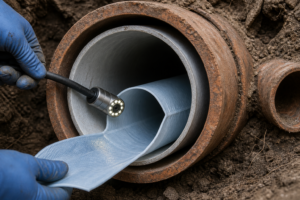
Over time, corrosion leads to compromised piping, which reduces gas flow and contributes to low gas pressure in house conditions. In many older systems, corroded gas pipes can slowly restrict gas flow or create tiny leaks that disrupt pressure balance throughout the plumbing system.
Appliance Warning Signs of Gas Pressure Problems
Gas appliances often provide the first clues that low gas pressure in house systems exist.
Appliance Symptom | Possible Cause |
Weak flame | Pressure drop |
Oven heating slowly | Restricted gas delivery |
Inconsistent heating | Faulty gas regulator |
Pilot light flickering | Pressure imbalance |
Heater not warming | Blocked gas line |
Common appliances affected include:
- Stove burner
- Oven heating slowly
- Gas heater
- Water heater
If multiple appliances display problems simultaneously, it may indicate the main gas supply system has pressure issues.
How External Environmental Factors Affect Gas Pressure
Many homeowners overlook environmental influences on low gas pressure in house systems.
Soil Shifting Around Pipelines
Soil shifting caused by earthquakes, erosion, or construction can compress or misalign buried pipelines, reducing gas movement.
Temperature and Weather Changes
Extreme weather can alter pressure levels within the gas supply system. Cold temperatures may cause metal contraction in pipes while heat expands materials.
Infrastructure Damage
Heavy equipment or excavation can puncture underground gas pipes, affecting gas delivery.
Quick Troubleshooting Steps for Low Gas Pressure
Before calling a technician, homeowners can perform a few basic checks to identify possible issues.
Step-by-Step Gas Pressure Check
- Inspect the main gas shut-off valve near the gas meter. Ensure it is fully open.
- Check if the issue affects all gas appliances or only one.
- Observe the pilot light for flickering or weak flames.
- Look for obvious pipe damage or gas odor around fittings.
- Confirm whether recent appliance installation may have increased gas demand.
If the issue persists, the safest option is contacting 24/7 gas line repair experts to conduct professional diagnostics.
Tips to Maintain Proper Gas Pressure
Preventative maintenance can significantly reduce the likelihood of low gas pressure in house problems.
Helpful maintenance tips include:
- Schedule professional inspection annually
- Monitor appliance performance regularly
- Upgrade aging branch lines
- Replace outdated regulators
- Keep pipes protected from corrosion
Working with an affordable plumbing company ensures regular system checks without compromising safety.
Advanced Diagnostic Methods Professionals Use
Licensed technicians rely on specialized tools to locate pressure problems accurately.
Common Gas System Diagnostic Tools
- Pressure gauges to measure system pressure
- Gas sniffers for leak detection
- Digital manometers for accurate pressure readings
- Infrared sensors to identify gas buildup
These tools help technicians identify pressure drop, blockages, or regulator malfunctions quickly.
When Gas Supply from the Utility Provider Causes Issues
Sometimes low gas pressure in house conditions originate outside the home.
Possible causes include:
- Undersized utility lines
- High demand during peak usage periods
- Malfunctioning regulators at the gas meter
- Problems within the utility gas supply
If neighbors experience similar issues, the gas provider may need to inspect the main supply infrastructure.
Quick Fixes Homeowners Can Try Safely
While most repairs require professionals, a few safe steps can sometimes restore normal pressure temporarily.
Quick fixes include:
- Ensuring the gas valve is fully open
- Cleaning debris around visible pipe fittings
- Resetting appliances if the gas is not working
- Checking if natural gas not working in house affects only one appliance
However, never attempt pipe repairs yourself because gas systems require certified technicians.
Long-Term Solutions for Persistent Gas Pressure Problems
If pressure problems occur frequently, long-term upgrades may be necessary.
Solutions may include:
- Replacing undersized piping
- Upgrading regulators
- Installing new branch lines
- Repairing damaged buried pipelines
Homes with expanding appliance loads may require larger pipes to maintain proper natural gas pressure residential systems.
Restore Safe Gas Pressure with Expert Help
Gas pressure issues can affect safety, energy efficiency, and appliance performance. If you notice symptoms like weak flames, appliance failures, or unusual gas odors, professional diagnosis is essential.
Need Immediate Help?
Our experienced technicians at Coast to Coast Plumbing specialize in diagnosing and repairing residential gas line issues quickly and safely.
Call Coast to Coast Plumbing today:
📞 3102755800
Our experts will inspect your gas system, restore proper pressure, and ensure your home remains safe and energy-efficient.
FAQs About Low Gas Pressure in House
Yes. Extreme cold can cause metal pipes to contract while soil expansion may shift pipelines. Both conditions can temporarily affect gas line pressure.
Signs include sudden pressure drop, inconsistent appliance heating, and unusual meter readings. A technician can test the gas meter for accuracy.
Yes. It can lead to incomplete combustion, appliance malfunction, and potential gas buildup, increasing safety risks inside the home.
Most experts recommend professional inspection every 12 months to ensure the piping system, regulator, and valves remain safe.
Yes. Adding multiple appliances without upgrading the gas line capacity can overload the system and cause low gas pressure.