


Quick Answer: A corroded gas pipe is common in older homes because aging metal, moisture exposure, oxygen, soil conditions, and outdated materials slowly weaken the gas system over time. As corrosion spreads, pipes can develop rust, pitting, cracks, loose connections, and leaks that affect safety, efficiency, and code compliance. Older installations are especially vulnerable in concealed areas, underground runs, and damp spaces where damage grows quietly. The safest approach is early inspection, targeted repair, and full replacement when deterioration is widespread.
Why Older Homes Develop Gas Pipe Problems Faster
Older homes are more likely to have an aging gas piping system that was installed with materials and methods that do not hold up as well as modern systems. In many properties, the original fuel network has been exposed to decades of temperature swings, damp air, minor settling, and limited maintenance. That is why a corroded gas pipe often appears in houses built many decades ago rather than in newer builds with updated materials.
Many of these houses still contain aging gas pipes made from older pipe material choices such as black iron, galvanized steel, older steel pipes, and in some systems even cast-iron components. Over time, these materials can weaken, especially when the home also has crawl spaces, basements, or concealed runs that stay damp for long periods. In practical terms, the risk grows when metal stays exposed to moisture, oxygen, and repeated chemical reactions that slowly eat away at the pipe wall.
If a homeowner already notices the signs of faulty gas line conditions, the age of the system should be treated as a major clue rather than a minor detail. The older the line, the more likely the problem is not isolated to one small section.
What Actually Causes a Corroded Gas Pipe to Form
A corroded gas pipe forms when metal begins to break down from environmental exposure, age, and lack of protection. This is not a single-event failure. It is usually a slow process of gas pipe deterioration that builds over years until visible damage or leakage appears.
Inside the home, corrosion often begins where metal sits in damp air, around appliances, or near fittings where condensation collects. Outside the home, underground lines are vulnerable because they sit in direct contact with soil composition, groundwater, and shifting ground conditions. If the soil has high soil acidity or salinity, the metal can deteriorate faster than expected. Add periods of flooding or long-term humid weather, and the rate of metal loss can increase even more.
A lot of homeowners think corrosion is only a surface issue, but that is not always true. A pipe may show light staining outside while internal flaking is already restricting fuel flow. In some systems, what looks like mild surface wear is actually the early stage of structural loss deeper in the pipe wall. This is why corrosion gas damage should never be dismissed as cosmetic.
The Most Common Corrosion Triggers in Older Homes
- Long-term exposure to moisture and oxygen
- Repeated chemical reactions between metal and the environment
- Aggressive soil composition, especially high soil acidity or salinity
- Ground contact from groundwater and recurring flooding
- Lack of protective coating on older metal lines
These are the same conditions that turn a once-stable installation into a corroded gas pipe problem that grows quietly behind walls, under floors, or below grade.
Which Older Pipe Materials Fail Most Often
Not all gas line materials age the same way. Some older systems were built with metals that are durable in the short term but more vulnerable over decades if maintenance is poor or the environment is harsh.
Older Material | Common Weakness Over Time | Typical Risk Area |
Black iron | Surface rust and internal scaling | Basements, crawl spaces |
Galvanized steel | Internal flaking and restriction | Older branch runs |
Steel pipes | Corrosion at threaded joints | Exposed utility areas |
Cast-iron | Brittleness and cracking | Legacy components |
Modern upgrades often use CSST, corrugated stainless steel tubing, or polyethylene piping where allowed by code and application. These options are often selected because they offer better flexibility, modern performance, and improved resistance in many installations. Some upgraded exterior systems also use fusion-bonded epoxy or another protective coating to reduce environmental attack.
A helpful comparison for homeowners is this: older materials were often strong, but many were not designed for decades of neglect plus modern occupancy demands. That combination is one reason older homes with outdated gas lines show more failures than expected.
Are Rusty Gas Pipes Dangerous
Yes, rusty gas pipes can be dangerous because rust is often a visible warning that the pipe surface is breaking down and may already be weakened deeper inside. When corrosion advances, it can lead to thinning metal, pinholes, failed fittings, and eventually gas leaks that create both fire and health hazards.
A visible rusted gas line does not always mean immediate failure, but it does mean the line needs evaluation. The real danger is assuming that orange-brown staining is only cosmetic when the pipe may already have pitting, hidden cracks, or weakening around threads and valves. In older systems, rust often appears first on exposed sections while concealed areas continue deteriorating out of sight.
Early Warning Signs You Should Never Ignore
A corroded gas pipe usually gives warnings before it fails completely. Some signs are obvious, while others are subtle enough to overlook until the damage becomes more serious.
The Clearest Warning Signs Include:
- Rust on exposed piping
- Unusual discoloration around fittings or joints
- Visible pitting in the pipe surface
- Hairline or spreading cracks
- Weakening at threaded areas and loose connections
These physical changes are often paired with performance or odor clues. You may hear hissing sounds, notice a rotten egg smell, or spot dead patches of grass over buried lines. In some cases, the only clue is a sudden increase in gas bill without a clear explanation. When that happens, the problem may be bigger than one appliance and may relate to hidden leakage or pressure loss within the system.
Corrosion can narrow the line internally and restrict flow before a leak is ever discovered which can cause low gas pressure in houses.
Surface Rust vs Structural Corrosion: Why the Difference Matters
One of the biggest mistakes homeowners make is confusing surface staining with harmless aging. Light oxidation may affect appearance only, but advanced deterioration changes the strength of the metal itself. That distinction matters when deciding whether cleaning, repair, or replacement is appropriate.
Here is a quick way to think about it:
- Surface rust is usually limited to the outer layer and may not have reduced wall thickness yet.
- Active corrosion often shows scaling, flaking, or roughness that suggests deeper metal loss.
- Structural deterioration is where the pipe loses enough integrity to create leakage, instability, or severe restriction.
When the problem reaches that third stage, a corroded gas pipe is no longer a maintenance item. It becomes a safety issue that needs a licensed professional.
Why Underground and Hidden Areas Fail Quietly
Corrosion becomes more dangerous when it happens in places you cannot easily see. Pipes under slabs, inside walls, in crawl spaces, behind cabinets, or beneath landscaping can deteriorate for years without attracting attention. That is especially true when the home has poor ventilation or damp soil contact.
In buried systems, the line is exposed to moisture, minerals, and shifting soil 24/7. In indoor concealed areas, slow condensation and poor airflow can keep metal damp long enough for oxidation to continue season after season. That is why gas line corrosion often progresses with very little visible evidence until the symptoms become noticeable in smell, performance, or billing.
If a system is already showing multiple warning signs, this is the point where homeowners should involve reliable gas line repair experts instead of waiting for visible failure.
How Corrosion Affects Safety, Efficiency, and Fuel Delivery
A corroded gas pipe does more than create a leak risk. It can reduce system efficiency and create inconsistent appliance performance long before the homeowner smells gas. Internal flaking and narrowing can restrict the line and reduce steady fuel flow to stoves, ovens, furnaces, or water heaters.
That means the danger comes from both leakage and poor delivery. A weakened line can vent gas into the air, but a restricted line can also change burner performance, delay ignition, or cause poor combustion. When these issues are ignored, the result may include property damage, unsafe combustion conditions, and expensive system-wide repairs.
Problem Type | What It Does | Why It Matters |
Leak formation | Releases fuel into occupied or outdoor spaces | Raises fire and exposure risk |
Internal restriction | Limits steady fuel movement | Reduces appliance performance |
Joint failure | Weakens connection points | Increases chance of sudden leakage |
Hidden deterioration | Spreads unnoticed over time | Delays repair and raises cost |
This is why a corroded gas line should be treated as a system issue, not just a bad-looking pipe.
Quick Fixes Homeowners Can Do Safely
A quick fix does not mean a DIY repair to the gas pipe itself. It means small, safe actions that reduce risk while you wait for proper diagnosis.
Safe Quick Actions You can Take
- If you notice a strong rotten egg smell, leave the area and avoid flames, switches, and sparks.
- If damage is visible on an exposed section, do not touch or scrape the pipe to “check” how bad it is.
- If you suspect leakage outside, look from a safe distance for dead patches of grass or disturbed soil above the line.
- If the shutoff location is known and conditions are safe, turn off gas according to professional guidance and utility instructions.
Do not paint over rust, wrap damaged sections with tape, or try to patch holes. Those actions hide the condition rather than solve it. A corroded gas pipe needs diagnosis, not cosmetic cover-up.
When Repair Is Enough and When Replacement Is Smarter
Not every damaged line needs full replacement, but not every old pipe can be saved either. The correct solution depends on how widespread the damage is, where it is located, and whether the material itself is obsolete.
Minor localized damage on an accessible exposed section may sometimes be addressed with a targeted repair if the rest of the system is sound. But if the pipe shows widespread rust, multiple weak joints, buried deterioration, or repeated leakage history, replacement is often the more reliable long-term answer.
A professional typically looks at:
- The age of the installation
- The amount of visible pitting and wall loss
- Whether loose connections are isolated or repeated
- Whether the line is accessible or hidden
- Whether the original material is still a smart fit for modern use
In many older properties, replacement with modern materials is the safest path. Depending on location and code requirements, this may involve CSST, corrugated stainless steel tubing, or polyethylene piping for approved applications.
How Modern Protection Helps Newer Gas Lines Last Longer
Newer systems have advantages that older ones often lacked. Modern installations are more likely to include corrosion-resistant materials, better supports, proper separation from damaging environments, and coatings that reduce chemical attack.
A modern protective coating helps slow direct exposure between metal and corrosive surroundings. In some exterior systems, fusion-bonded epoxy is used to improve long-term resistance. These upgrades do not make a system invincible, but they greatly improve performance compared with unprotected legacy metal in damp or aggressive environments.
This is also where a trusted local plumbing company can add value: not just by replacing what failed, but by recommending the best material and route for long-term durability.
Inspection Steps Professionals Use to Evaluate Corroded Gas Piping
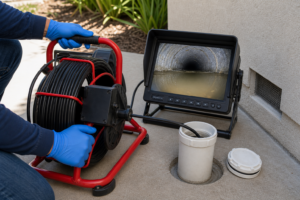
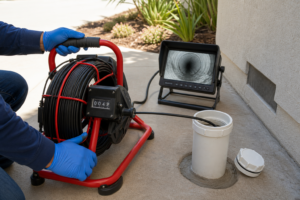
A proper inspection is much more than looking for orange spots on a pipe. Professionals assess the system as a whole and compare visible damage with likely hidden conditions.
A Thorough Inspection Typically Includes
- Examining exposed runs for rust, discoloration, scaling, and coating loss
- Checking threaded joints and valves for weakening and loose connections
- Looking for visible cracks or active leakage clues
- Evaluating soil-exposed or buried sections where moisture and minerals may be accelerating damage
- Reviewing appliance performance, age of system, and replacement history
This process helps determine whether the issue is a single corroded gas pipe or a wider network problem affecting multiple sections of the house.
Homeowner Tips to Slow Down Future Corrosion
You cannot stop metal from aging forever, but you can reduce the conditions that speed up failure.
Keep exposed gas piping dry and visible whenever possible. Do not allow storage items, debris, or clutter to trap damp air around utility runs. Watch for recurring moisture problems in basements, crawl spaces, and near exterior penetrations. If landscaping or drainage repeatedly saturates buried areas, address the water problem as well as the pipe problem.
A simple tip that helps: inspect visible lines during seasonal home maintenance. You are not diagnosing the system yourself; you are looking for changes. Fresh rust, coating loss, rough texture, or new staining should all be treated as reasons to schedule a professional check.
Why Older Homes Need Proactive Inspections, Not Reactive Repairs
The biggest reason these problems become emergencies is delay. By the time many homeowners smell gas or see heavy rust, the damage has often been growing for years. Older systems do better with proactive care because aging metal does not improve with time.
That is especially true in homes where the gas layout has been altered over the years, appliances have been added, or old materials remain in mixed sections. Even if one visible pipe looks manageable, the broader system may still have hidden vulnerability. A corroded gas pipe is often a signal to assess the entire route, not just the damaged spot.
Final Takeaway for Homeowners
A corroded gas pipe is common in older houses because time, outdated materials, moisture exposure, and environmental conditions slowly work against the metal. The risk increases when the line is hidden, underground, poorly coated, or installed with materials that have already exceeded their ideal service life. What starts as mild visible wear can become leakage, restriction, and serious gas pipe damage if ignored.
The safest response is early action. If you see rust, smell gas, hear hissing, or notice unexplained performance issues, get the system evaluated before a minor defect becomes a major hazard.
Protect Your Home Before a Small Gas Problem Turns Serious
Older gas piping should never be left to chance. If you have visible corrosion, suspect a leak, or want a professional opinion on an aging system, now is the right time to act. Coast to Coast Plumbing provides dependable inspection, repair, and replacement solutions for damaged residential gas lines.
Call Coast to Coast Plumbing today at 3102755800 to schedule service and get expert help before hidden corrosion becomes an emergency.
FAQs About Corroded Gas Pipe
Yes. Internal flaking and hidden deterioration can develop even when the outside surface looks relatively clean. That is why visual appearance alone is not a reliable safety test.
No. Some older sections may still be serviceable, but that decision depends on condition, material, location, and whether corrosion is isolated or widespread.
No. Paint can hide warning signs, but it does not repair metal loss, seal leaks, or restore structural strength.
They can, especially when the soil is wet, chemically aggressive, or poorly drained. Underground conditions often allow corrosion to progress unnoticed for longer periods.
Yes. Vibration, accidental impact, drainage changes, and new routing demands can expose weakness in already deteriorated piping.