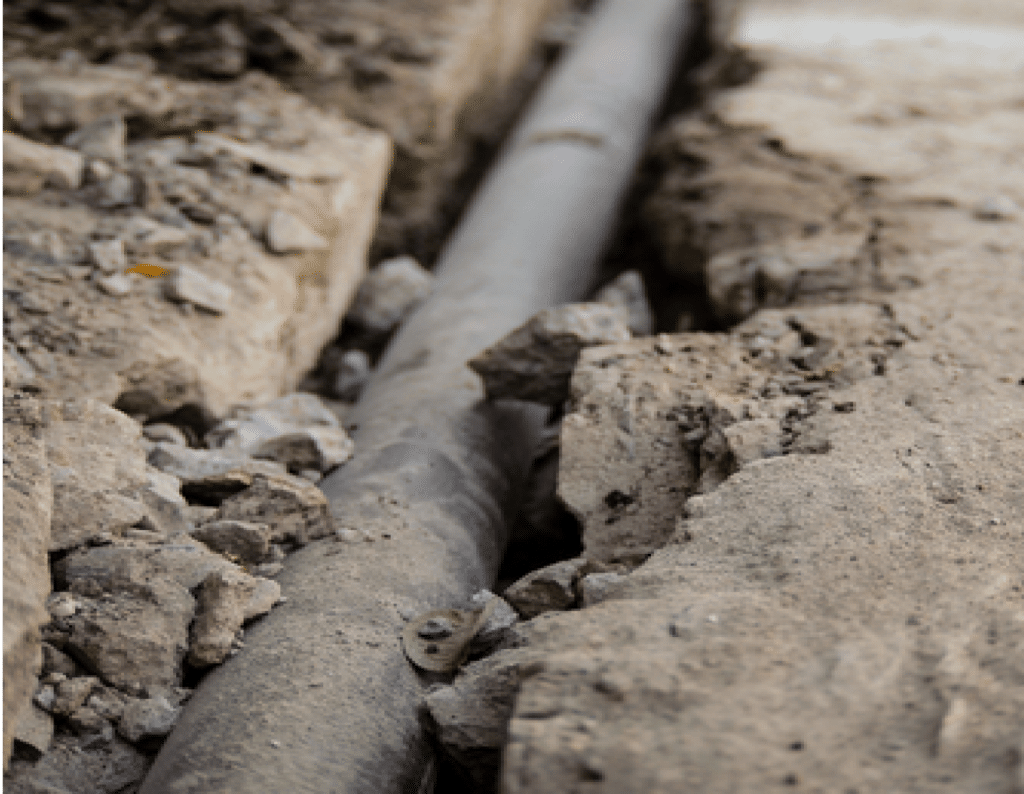
Sewer work that reaches a City sidewalk, alley, or street has more moving parts than a repair entirely on private property. It may require an S-Permit, utility markings, City inspection, traffic control, and restoration of the public way.
Coast to Coast Plumbing and Rooter evaluates the line, locates the damaged section, and explains whether the work appears to be on private property or within the public right-of-way. We then outline the repair options and the permit coordination included in the proposed scope.
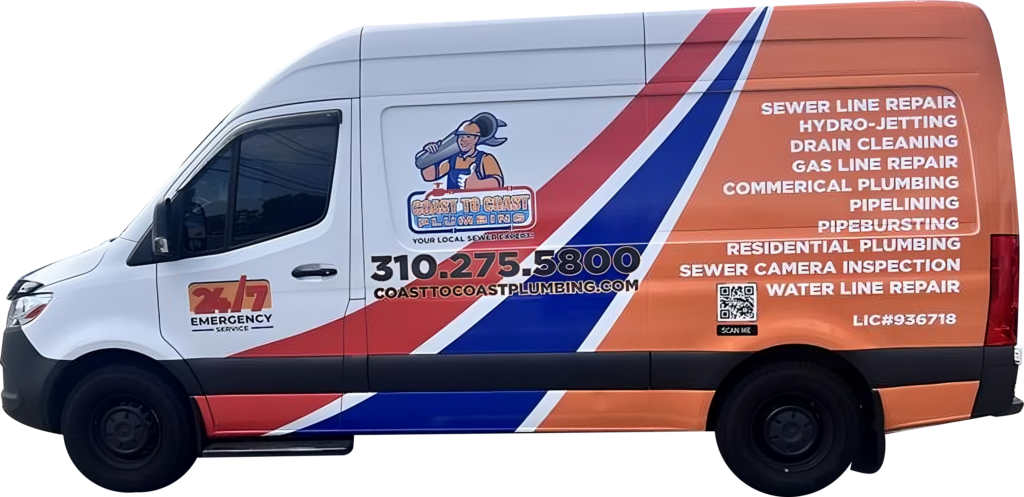
Coast to Coast Plumbing and Rooter is a City of Los Angeles Bonded Sewer Contractor. California contractor license #936718 includes C-36 Plumbing and C-42 Sanitation System classifications. Call (310) 275-5800 and have the property address plus any recent camera footage or repair report ready if available.
City of Los Angeles rules generally require an active Bonded Sewer Contractor when permitted sewer construction takes place in the public right-of-way. That can include a new house-connection sewer or the repair, replacement, or rehabilitation of a house-connection lateral beneath a sidewalk, alley, or street.
Not every sewer problem follows the same permit path. A connection to an existing lateral at the property line may be handled differently, while work entirely on private property can fall under other permitting and inspection requirements. The official City of Los Angeles S-Permit requirements explain the distinction.
Properties outside the City of Los Angeles may be governed by another city, Los Angeles County, or a separate sewer agency. The first step is confirming where the damaged section is located and which agency has authority over the work.
An S-Permit may be required when the proposed work affects a house-connection sewer or lateral under City-controlled public space. Common examples include:
The final permit and inspection requirements depend on the project location, existing records, repair method, pipe depth, nearby utilities, and the City’s review.
Coast to Coast can organize the plumbing work from diagnosis through closeout, with the exact responsibilities stated in the written proposal.
The City controls permit approval and inspection acceptance. The proposal identifies known exclusions and any outside engineering, traffic-control, paving, or specialty support before work begins.
1. Inspect and locate the problem.
We review the symptoms, inspect the sewer when conditions allow, locate the line, and identify the likely limits of damage.
2. Review the findings and repair options.
We explain what the inspection shows, which methods fit the conditions, and where excavation may be needed.
3. Confirm the agency and permit path.
If the project enters the public right-of-way, the responsible agency and applicable permit, utility-marking, traffic-control, and documentation requirements must be confirmed. City review controls approval and timing.
4. Complete the approved work and coordinate inspections.
The crew performs the approved sewer work and coordinates the inspections required for the project scope. City inspectors decide whether public-right-of-way construction meets the permit requirements.
5. Backfill, restore, and close out the job.
After required inspections are accepted, the work area is backfilled and restored as defined in the approved scope. We explain any follow-up documentation or separate restoration responsibility before closeout.
The right repair method depends on what the camera shows, where the damage is located, pipe alignment and diameter, access, depth, and the responsible agency’s requirements. A broken section that can be reached directly may be suited to street excavation sewer repair, while a longer failed run may need broader sewer line repair or replacement.
Pipe bursting can replace a qualifying line while limiting open excavation, but the City requires specific contractor eligibility and CCTV before and after public-right-of-way pipe-bursting work. Pipelining may be considered when the host pipe can support a liner and the connections can be addressed correctly.
A collapsed pipe, severe offset, unsuitable connection, or restricted access can rule out a trenchless method. Coast to Coast recommends a method only after reviewing the inspection findings and project requirements.
You do not need to know the permit type before calling. The details below help the assessment begin with the right context:
If sewage is actively entering the property, stop using affected plumbing and say that first when you call.
A Bonded Sewer Contractor is a contractor approved by the City of Los Angeles to obtain qualifying sewer permits and perform sewer construction in the public right-of-way. The City requires the appropriate license, insurance, bonds, and current annual approval.
An active Bonded Sewer Contractor is generally required when sewer construction, repair, replacement, or rehabilitation takes place within the public right-of-way. The exact requirement depends on the work location and the permit path assigned by the City.
Not always. The City’s Bonded Sewer Contractor requirement is tied to qualifying work in the public right-of-way. Private-property sewer work may have different permits or inspections, so the line should be located and the responsible agency confirmed before the project is scoped.
An S-Permit authorizes qualifying sewer connection or lateral work under City jurisdiction. For the work included in the proposal, the contractor coordinates the applicable application information and inspection requests. City staff review the permit, and City inspectors decide whether public-right-of-way construction meets the approved requirements.
Sometimes. Trenchless work depends on pipe condition, alignment, access, diameter, connections, and agency requirements. The City requires a Bonded Sewer Contractor and CCTV before and after pipe bursting in the public right-of-way. A collapsed line, severe offset, or unsuitable connection may require excavation instead.

Call (310) 275-5800 and tell us the property address, the symptoms you are seeing, and whether you already have camera footage or a written report. Coast to Coast will review the available information, identify the next diagnostic step, and explain the likely repair and permit path for the property.
Related services include sewer camera inspection, street excavation sewer repair, sewer line repair and replacement, pipe bursting, and pipelining.
As a locally-owned and operated business, we understand the importance of being courteous and respectful to our customers, regardless of how simple or complex their service needs may be. We are always prompt and professional when we are coming into your business or your home to perform a job. From commercial to residential jobs, our number 1 goal is to meet and exceed the expectations of our customers.