

Quick Answer
Hard water in Verdugo City and the surrounding foothill communities runs around 200 to 300 ppm of dissolved minerals, well into the “hard” range. Over time, this causes scale buildup in water heaters, fixtures, and supply lines, reducing efficiency and shortening equipment life by 30 to 50 percent. Signs include white crusty buildup at fixtures, soap that does not lather, and a water heater that needs flushing or replacement years earlier than expected.
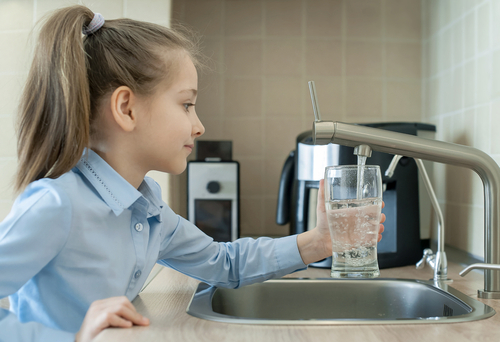
The water that comes out of your tap in Verdugo City did not have an easy journey. It traveled through mineral-rich soils in the foothills, picking up calcium, magnesium, and other dissolved solids along the way. By the time it reaches your home, it is what plumbers call “hard.”
Hard water is not dangerous to drink. It is brutal on your plumbing.
How Hard Is Verdugo City Water Actually?
Water hardness is measured in parts per million (ppm) of dissolved calcium carbonate. The standard scale:
Soft: 0 to 60 ppm.
Moderately hard: 60 to 120 ppm.
Hard: 120 to 180 ppm.
Very hard: 180 ppm and up.
The Crescenta Valley and surrounding foothill areas typically run 200 to 300+ ppm. That is solidly in the very hard range. The USGS national water hardness map confirms California’s foothill regions are some of the hardest in the country.
What Hard Water Does Inside Your Pipes
Every gallon of hard water that flows through your plumbing leaves behind a tiny amount of mineral residue. Multiplied across hundreds of thousands of gallons over years, that residue becomes scale.
Inside copper supply lines, scale narrows the interior diameter, reducing pressure and flow. Inside galvanized supply lines, scale combines with the existing corrosion to create even faster failure. Inside water heaters, scale settles to the bottom of the tank and forms a layer that insulates the water from the heating element, dramatically reducing efficiency.
Our blog on practices for plumbing maintenance covers the broader maintenance picture, but hard water specifically accelerates almost every type of plumbing wear.
The Signs You Are Living With Hard Water Damage
You probably are. Verdugo City water does not come soft. The questions are how badly you are affected and what to do about it.
Common signs:
White or chalky buildup at faucets and showerheads. That is calcium scale.
Soap that will not lather. Hard water minerals interfere with soap chemistry.
Spots on glassware and fixtures after they dry. Mineral residue.
Skin that feels dry or itchy after showering. Hard water leaves a residue and disrupts skin pH.
Clothing that wears out faster. Mineral residue stiffens fabrics.
A water heater that has gotten louder or less efficient. Sediment buildup.
The Specific Hit on Water Heaters
Of all the appliances hard water damages, water heaters are the worst hit. A standard tank water heater rated for 12 years of service in soft water might only deliver 7 to 8 years in Verdugo City conditions if it is not flushed regularly.
The damage cascade:
Sediment settles at the bottom of the tank.
The heating element (electric) or burner (gas) has to work harder to push heat through the sediment layer.
The increased work overstresses the element or burner, leading to early failure.
The sediment layer also accelerates corrosion of the tank lining.
We get into the details in our older blog on maintaining your water heater. Annual flushing is the single most effective thing you can do to extend a tank water heater’s life in this area.
For tankless heaters, the issue is different but the principle is the same. Tankless units have heat exchangers with narrow passages that scale up over time. Annual descaling is mandatory for warranty coverage on most tankless systems and dramatically extends operating life.
Should You Install a Water Softener?
Maybe. The math depends on your usage and how long you plan to stay in the home.
A whole-home water softener costs $1,500 to $4,000 installed. It uses salt to remove calcium and magnesium, and the salt brine has to be replenished every few weeks. The benefits:
Water heaters last close to their rated life.
Fixtures and appliances stop scaling.
Soap and detergent use drops by 30 to 50 percent.
Cleaning is dramatically easier.
The costs:
Initial installation.
Salt and maintenance.
Some softened water has higher sodium content, which can be a concern for people on low-sodium diets (a separate drinking water filter at the kitchen sink solves this).
The American Water Works Association consumer guide on softeners has objective guidance on whether the math works for your specific situation.
If you decide to install one, hire a licensed plumber for residential service to do the work. Improper installation can damage your water heater and void warranties.
What Else Helps
If a softener is not in your budget right now, you can still slow hard water damage:
Flush your water heater annually. The procedure is simple and a licensed Verdugo City plumber can do it in under an hour.
Descale tankless water heaters per manufacturer schedule.
Use vinegar to dissolve scale at faucets and showerheads quarterly.
Install in-line scale-reduction filters at high-use fixtures.
Watch for early signs of pressure loss and have lines inspected before they fully scale closed.
For broader plumbing maintenance, Verdugo City drain cleaning and routine inspection should be on your maintenance calendar regardless of softener status.
Hard water is a fact of life in the foothills. The homeowners who do well with it are the ones who manage it actively, not the ones who let it quietly destroy their water heater and fixtures over a decade.