You have got a clogged drain. The plumber gives you two options: snaking or hydrojetting. One costs less. The other costs more. And you have no way of knowing which one you actually need – unless someone explains the difference honestly.
Here is the breakdown from a Los Angeles plumber’s perspective.
What Snaking Does (And What It Does Not Do)
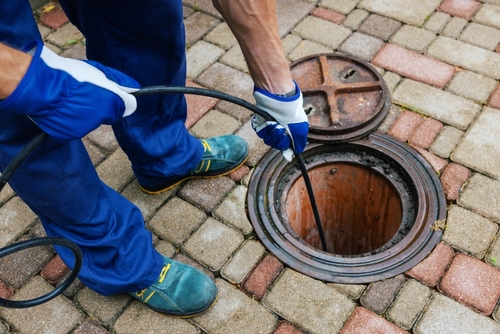
A drain snake – also called an auger – is a flexible metal cable that a plumber feeds into the pipe. It physically pushes through or breaks apart the clog, restoring flow. Snaking is fast, relatively inexpensive, and effective for soft blockages near the fixture: hair clogs in a bathroom drain, food debris stuck in a kitchen P-trap, or toilet blockages.
What snaking does not do is clean the pipe walls. It punches a hole through the clog and moves on. The grease, scale, mineral deposits, and root fragments still coating the inside of the pipe remain. In many cases – especially in older Los Angeles homes with cast iron or clay pipes – this means the clog comes back within weeks or months.
If you are calling a plumber for the same drain every few months, snaking is no longer solving the problem. It is managing the symptom.
What Hydrojetting Does Differently
Hydrojetting uses a specialized nozzle connected to a high-pressure water pump. The nozzle is fed into the drain line and blasts water at 3,000 to 4,000 PSI in a 360-degree pattern. It does not just clear the clog – it scours the entire interior surface of the pipe, removing grease, scale, mineral buildup, root fragments, and corrosion deposits.
The result is a pipe that flows at its original full diameter. For a 4-inch sewer lateral that had been narrowed to less than 2 inches of effective space by decades of buildup, hydrojetting restores all 4 inches. That is a fundamentally different outcome than what a snake delivers.
When Each Method Is the Right Call
Snaking makes sense when the clog is a one-time occurrence at a single fixture, the pipe is relatively new and in good condition, and the blockage is soft material like hair or paper.
Hydrojetting makes sense when clogs are recurring, multiple drains are slow, the clog is caused by grease or mineral buildup, roots are entering through pipe joints, or the home is older with cast iron or clay drain lines.
In Los Angeles, most residential drain cleaning situations we see at Coast to Coast Plumbing lean toward hydrojetting – simply because the housing stock is older and the pipes have decades of buildup. In a brand-new home in a newer development, snaking might be all you ever need.
One Important Caveat About Hydrojetting
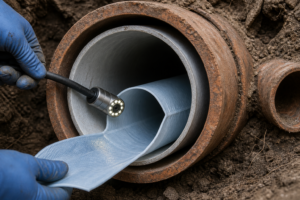
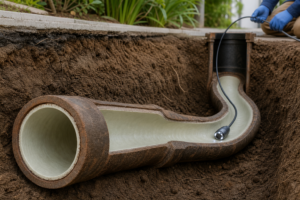
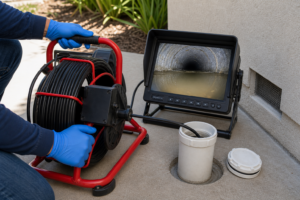
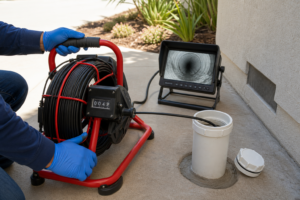
Hydrojetting requires the pipe to be structurally sound. If the pipe has already collapsed or has large holes, high-pressure water can cause further damage. That is why a legitimate sewer camera inspection should always be performed before hydrojetting – not after.
At Coast to Coast Plumbing and Rooter, we camera the line first on every single job. If the pipe cannot handle hydrojetting, we tell you that before we turn the machine on. If the pipe is sound and hydrojetting will solve it, we proceed and camera the line again after cleaning so you can see the result.
Which Option Saves You More Money Long-Term?
A single snaking visit might run $150 to $250 in Los Angeles. Hydrojetting runs more. But if you are snaking the same line three or four times a year, the annual cost of snaking exceeds a single hydrojetting session – and the problem never actually gets solved.
Glendale and Sherman Oaks homeowners with older drain lines consistently save more money by hydrojetting once than by snaking repeatedly. The math is not complicated.
Get the Right Fix for Your Drain
If you are not sure which method your drain needs, start with a camera inspection. The footage will show exactly what is inside the pipe and which approach makes sense. Call Coast to Coast Plumbing at 310-275-5800 for drain cleaning service across Los Angeles and surrounding cities.