



Clogged drains can bring daily routines to a standstill, especially in a bustling city like Los Angeles. Whether it’s the bathroom sink refusing to drain or a backed-up shower, these plumbing troubles can disrupt your home. Understanding how to tackle these issues quickly and efficiently is a valuable skill for any homeowner.
Finding the root cause of a clog is the first step in resolving it. Different drains may be affected by different types of blockages, each requiring a unique approach for a solution. Learning about common clogs and their signs can help in diagnosing and fixing them effectively.
While some clogs can be addressed with a plunger or simple home remedies, other situations call for more advanced tools or professional help. Knowing when to try a DIY fix and when a stubborn clog demands expert attention can save time and prevent further plumbing problems. With the right knowledge and approach, you can keep your drains clear and your home running smoothly.
Identify the Cause of the Clog
Determining the source of a clog in your Los Angeles home is essential for fixing it effectively. Drains in this area often encounter blockages from common culprits like hair, soap scum, grease, and food particles. Each type of drain might face specific issues depending on its location and use.
In the kitchen, drains often clog due to food waste and grease buildup. Cooking oil solidifies within pipes and creates stubborn barriers. Sinks might also face blockages from bits of food that slip past the strainer. Bathrooms, on the other hand, frequently suffer from hair and soap buildup, which can form a tangled mess that slows or blocks water flow.
Signs of a deeper plumbing issue include slow draining, recurring clogs, strange noises, and foul odors emanating from the drains. These may indicate issues like a broken pipe or a significant blockage deep within the plumbing system, which can lead to more severe problems if not addressed promptly.
Identifying the underlying cause helps in selecting the most effective method to clear the drain. Careful assessment of where the blockage occurs can prevent future clogs and keep your plumbing in optimal condition.
DIY Solutions for Minor Clogs
For minor clogs, several do-it-yourself solutions can restore normal drain function without the need for complex tools or chemicals. Start with a plunger, a simple tool effective for dislodging blockages. When plunging, ensure there’s enough water in the basin to cover the plunger’s head, creating a good seal. Push down several times firmly, then quickly pull up to help dislodge the clog.
Homemade remedies, such as a mixture of baking soda and vinegar, offer a chemical-free approach to clearing minor blockages. Pour half a cup of baking soda down the drain followed by half a cup of vinegar. Cover the drain with a wet cloth to contain the fizzing action, which helps break down the blockage. After about 15 minutes, flush the drain with boiling water to clear any dissolved debris.
If a blockage remains after a simple fixture check, avoid forcing tools into the pipe. Tell a plumber which drain is affected, how long the problem has lasted and what has already been attempted.
These straightforward DIY techniques can be effective for tackling minor clogs and keeping your drains flowing smoothly. Just remember to follow instructions carefully to avoid damaging pipes and worsening the situation.
Tools and Products to Consider
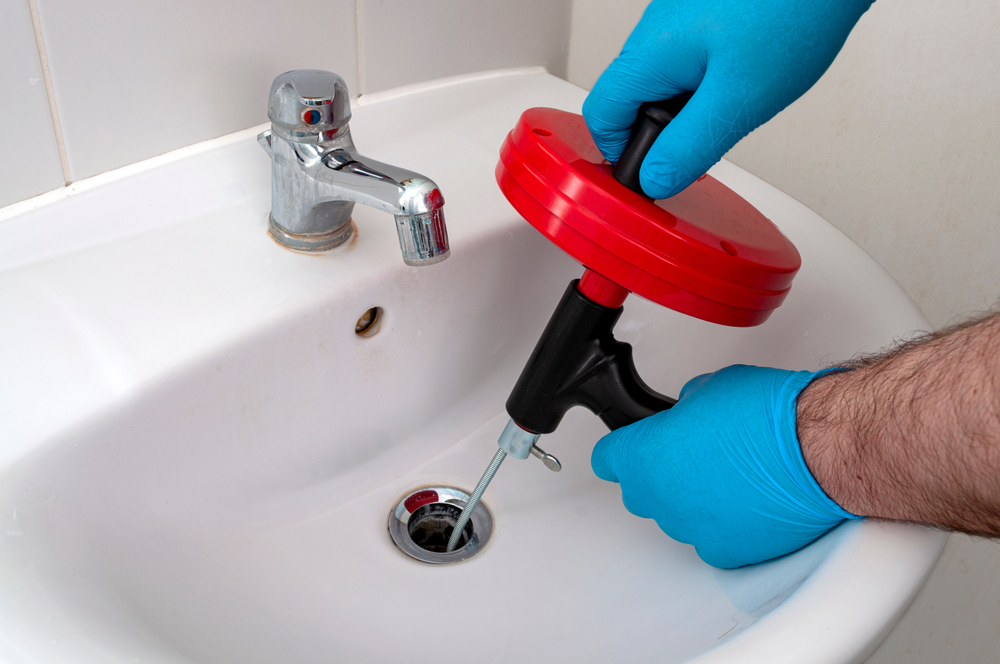
Match any homeowner check to the fixture and follow its maintenance instructions. Stop if water backs up, several fixtures are affected or the blockage keeps returning. A professional assessment can identify the affected line and whether hydro jetting is suitable.
Chemical drain cleaners are another option but should be used with caution. They work well for hair and soap scum but can be harsh on pipes and harmful if misused. If you choose to go this route, look for eco-friendly options which are less aggressive yet effective.
Preventive measures can also help keep clogs at bay. Drain covers and strainers are simple tools that prevent debris from going down the drain. They are particularly useful in preventing hair and large food particles from causing blockages. Shielding your drains with these inexpensive tools can save you from future headaches and costly repairs.
Knowing When to Call a Professional
While handling minor clogs independently can save time and money, there are times when calling a professional is necessary. Persistent or recurring clogs might indicate a more serious issue within your plumbing system. If multiple drains in your home are slow or backed up, it could suggest a blockage in the main sewer line.
Professional plumbers have specialized tools and experience to diagnose and address these larger problems. They can perform video inspections to pinpoint the exact location and cause of stubborn blockages. Additionally, they can handle complex repairs that are beyond the reach of DIY enthusiasts.
Regular professional maintenance offers long-term benefits, keeping your plumbing system running smoothly and efficiently. It can prevent minor issues from turning into major problems, providing you peace of mind and ensuring longevity for your home’s plumbing infrastructure.
Conclusion
Unclogging drains can be a manageable task with the right approach and tools. Whether using a plunger or snake, understanding when to tackle the problem yourself and when to seek professional help is crucial. Ignoring persistent clogs can lead to more extensive damage, so being proactive is key.
For a persistent blockage, Coast to Coast Plumbing can discuss hydro jetting and whether a sewer camera inspection would help assess an accessible line. Call (310) 275-5800 with the affected fixtures and any cleaning already attempted.