




Quick Answer
A change in hot-water performance, unusual sounds, discolored water or moisture near a Montrose water heater deserves assessment. These symptoms do not by themselves establish that the tank is failing. The model, source of the problem, condition and repair history help determine whether repair or replacement is appropriate.
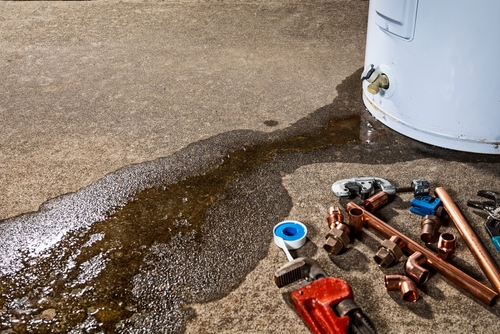
Water near a heater can come from the tank, valves, connected piping or condensation. Have the source checked before choosing a repair or replacement. Keep clear of escaping hot water and wet electrical equipment; do not dismantle the appliance to investigate.
If your Montrose water heater has recurring leaks, unusual sounds, or a change in hot-water performance, have the appliance assessed. Bring its model and service history so repair and replacement options can be compared.
How Water Heaters Actually Die
Problems can involve the tank, heating equipment or plumbing connections:
Tank corrosion. The interior of a steel tank is protected by a glass lining and a sacrificial anode rod. Over years, the anode rod corrodes (sacrificing itself), and once it is gone, the tank itself starts corroding. Rust eats through the steel, and eventually the tank cracks or splits.
Heating element failure (electric) or burner failure (gas). A heating problem may involve a repairable component. Qualified assessment is needed to identify the fault and determine whether the rest of the appliance remains suitable for use.
Connection failure. The inlet, outlet, temperature-and-pressure relief valve or drain valve may be a source of leakage. Water from these areas should not automatically be diagnosed as a leaking tank.
Hard-water deposits can affect water-heater maintenance needs. Have deposits, leaks, and changes in heating performance assessed on the actual appliance.
The Sound and Color Tells
Note sounds you have already heard during normal use. Do not operate a leaking or unsafe appliance to reproduce a symptom.
Popping or rumbling from the tank. Describe when the sound occurs and whether heating performance has changed. Noise alone does not confirm tank failure or establish that replacement is necessary.
A high-pitched whine. Report the sound for professional assessment rather than assuming a particular valve has failed. Do not adjust, plug or remove a safety valve yourself.
Banging when the heater starts a cycle. Possible sediment shift or thermal expansion stress.
Look at the water:
Rust-tinted hot water (cold runs clear). Report whether the discoloration affects one tap or several. The heater and connected plumbing need assessment before the source is identified or remaining service life is discussed.
Cloudy or sandy water from hot taps. Describe what you observe and when it appears. Have the water and equipment assessed rather than assuming that the symptom confirms severe tank damage.
Compare the signs that a water heater needs attention with the findings from a water-heater assessment. Age alone does not establish whether a repair or replacement is the right next step.
The Visible Tells
Look at the heater itself:
Any moisture at the base. Water may come from condensation, a valve, connected piping or the tank itself. A tank leak must be confirmed before tank replacement is selected.
Rust on the outside of the tank. Especially around connections.
Discoloration on the floor or wall behind the heater. Past or present water staining.
Visible corrosion at the top fittings. Have the affected connection assessed along with any moisture nearby; its appearance alone does not establish the condition of the whole tank.
Arrange an assessment of active leakage or new water staining. Ask which component is the source and whether a repair can address it. Replacement should follow the findings rather than an assumption that every wet surface means the tank has failed.
The Performance Tells
How is the hot water actually performing?
Hot water runs out much faster than it used to. Note whether household demand has changed and whether the problem affects all hot-water fixtures. A technician can assess heating performance and possible buildup.
Takes much longer to recover after a long shower. Share when the change began and the appliance model. The cause should be checked before attributing it to a particular component.
Water is not as hot as it used to be at the same setting. Report the change without adjusting unfamiliar controls. The heating equipment and controls may need qualified assessment.
Hot-water temperature varies unexpectedly. Describe the pattern and affected fixtures so the heater and related plumbing can be evaluated.
Some performance problems can be repaired without replacing the whole appliance. Compare the confirmed fault, tank condition, parts availability, applicable warranty and repair cost before choosing the work. Age alone is not a diagnosis.
When to Replace vs Repair
Ask whether repair is appropriate when:
The assessment identifies a repairable component rather than a leaking tank.
The source of the symptom has been identified and can be addressed.
The remaining appliance condition supports continued use after the proposed repair.
The repair scope, parts availability and applicable warranty have been compared with replacement.
Discuss replacement when:
A leak in the tank itself has been confirmed.
The condition or extent of damage makes repair impractical.
The available repair options do not adequately address the documented problem.
Repeated repairs warrant comparing the current fault and repair cost with a suitable replacement.
Tankless and storage water heaters have different service requirements. Follow the specific model’s maintenance instructions and compare its condition, parts and repair options rather than applying one life-expectancy figure to every appliance.
Choosing a Replacement Heater
When comparing replacement equipment, consider:
Tankless equipment still needs model-specific maintenance. Before a tankless water-heater upgrade, compare the fuel or electrical supply, installation requirements, and household demand to determine the suitable equipment for the home.
High-efficiency tank heaters. Compare the selected model’s rated efficiency, capacity, installation requirements and expected use. An efficiency label does not remove the need for maintenance appropriate to the appliance and water conditions.
Sized correctly. Match the equipment to household demand and the available fuel or electrical supply. Ask how the proposed model meets those needs rather than selecting capacity from a neighborhood-wide assumption.
Located properly. Confirm installation and permit requirements for the exact property address. Glendale Building and Safety applies to work within its jurisdiction; other addresses may fall under a different permitting agency. Do not assume that a Montrose mailing address identifies the responsible office.
What a Real Replacement Includes
Before accepting a replacement proposal, ask which of the following items apply to the property and are included:
Removal and haul-away of the old unit.
New shut-off valves on supply lines.
New T&P relief valve.
New drain pan with proper drain (in interior locations).
Assessment of thermal-expansion control for the plumbing system.
Earthquake straps installed to current code.
Required permits from the agency responsible for the property address.
Any required final inspection.
Ask for a written scope that explains the applicable installation requirements, included work and exclusions. Confirm who is responsible for permits, inspections and any separate work before comparing the total price.
For a water-heater concern, ask our residential plumbing team about assessment and the appropriate repair or replacement options. Scheduling depends on the findings, equipment, access and any permit or inspection requirements; confirm those details before work is arranged.
Have new leaks or changes in hot-water performance assessed before choosing work. For help with a plumbing concern, call Coast to Coast Plumbing at (310) 275-5800.