


Quick Answer
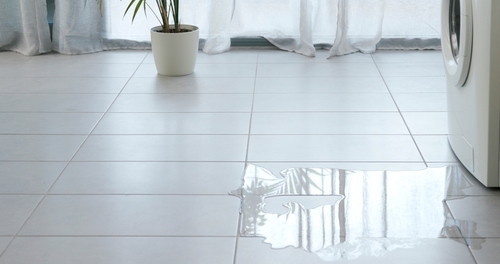
A slab leak in a South Pasadena mid-century home usually shows up as an unexplained spike in your water bill, warm spots on the floor, low water pressure, or a quiet running sound in the walls when no fixtures are on. Slab leaks happen when copper supply lines under the concrete slab corrode, vibrate against rebar, or develop pinholes from soil chemistry. Early detection costs hundreds. Late detection can cost tens of thousands in foundation and flooring damage.
Mid-century homes built in South Pasadena between roughly 1950 and 1975 have a specific architectural feature that is now a plumbing problem: a concrete slab foundation with the supply pipes embedded underneath. At the time, this was efficient construction. Today, those copper pipes are 50 to 75 years old, sitting under tons of concrete, slowly corroding from a combination of soil chemistry and pipe friction.
When one of those lines starts leaking, you have what is called a slab leak. And by the time most homeowners notice, the damage is well underway.
How a Slab Leak Actually Develops
Three things kill copper supply lines under a slab:
Pinhole corrosion. South Pasadena’s water has a specific mineral profile that, over decades, eats microscopic pinholes through copper pipe. The water finds the pinhole, the pinhole becomes a slow leak, the leak becomes a torrent.
Vibration wear. Pipes that touch rebar or shift slightly with seismic activity rub raw spots against the concrete or steel. Over decades, those raw spots turn into holes.
Joint failure. The soldered joints in pre-1986 plumbing used lead-bearing solder. As the joint ages and stresses change, the solder cracks and water finds a way out.
Once water is leaking under the slab, it has nowhere to go but sideways through the soil and eventually up into your living space.
The Signs South Pasadena Homeowners Miss
Slab leaks are sneaky because the early signs do not look like plumbing problems. The most commonly missed indicators:
Water bill creep. Your bill goes up by 15 percent one month. You assume it was a hot month, you watered more, whatever. Six months later you are paying double and you still have not connected the dots. A 5,000-gallon-per-month silent leak is invisible until you check the meter with everything off.
Warm spots on the floor. A leak in the hot water line warms the slab above it. If one specific area of your kitchen floor or bathroom floor is consistently warm to the touch, that is hot water leaking under the concrete.
A faint hissing or running water sound. Stand in different rooms of the house with everything turned off. If you hear water moving, it is moving somewhere it should not be.
Mold or mildew where there should not be any. Especially at the base of walls.
Low water pressure that came on suddenly. A slab leak can drop your supply pressure noticeably.
We covered general detection in our detect hidden plumbing leaks blog, and the techniques apply directly to slab leaks even though the leak is below the floor.
How a Plumber Actually Locates a Slab Leak
A real slab leak detection process uses:
Acoustic listening equipment. Specialized microphones that can hear water moving through pipes from several feet away.
Thermal imaging cameras. To find heat signatures from hot water leaks.
Pressure isolation testing. Closing off sections of the supply system to narrow down which line is leaking.
Tracer gas testing. Injecting a non-toxic gas (helium or nitrogen-hydrogen mix) into the line and detecting where it escapes.
A good plumber in South Pasadena should have at least two of these methods available and use them in combination, not just guess and dig.
The Insurance Information Institute’s guidance on water damage prevention backs up the importance of early detection from an insurance perspective.
Repair Options Once the Leak Is Located
You have three main options:
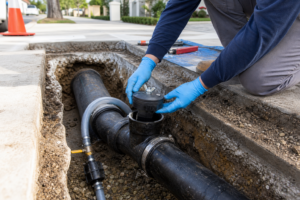
Spot repair. Open the slab at the leak location, cut out the bad section, install a new section, and patch the floor. Cheapest if the leak is the only failure point. Risky on older systems because where there is one pinhole, there are usually more on the way.
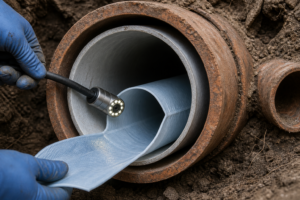
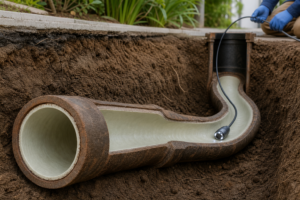
Reroute. Abandon the under-slab section and run a new supply line through the walls or attic. Avoids future slab leaks for that line. Common in South Pasadena mid-centuries where one zone (kitchen, master bath) has had a leak.
Full repipe. Replace all under-slab supply lines with overhead routing. Most expensive upfront, but eliminates slab leak risk entirely. For homes that have already had two or more slab leaks, this is usually the right call. We get into the broader case for repiping in our older blog on upgrading your home’s plumbing system.
What Insurance Typically Covers
Homeowners insurance usually covers the secondary water damage from a slab leak (drywall, flooring, contents) but not the cost of the plumbing repair itself or the cost of accessing the leak. The California Department of Insurance consumer guide is a useful reference for understanding your specific policy.
Document everything. Photograph the damage immediately. Get the leak detection report in writing. Keep all repair receipts. If your insurance disputes coverage, this paperwork is your leverage.
When to Call vs When to Wait
Call now if:
Water is visibly coming up through the floor or out of a wall.
Your water meter is spinning with all fixtures off.
You hear running water with everything off.
Your water bill has doubled in the past six months.
Wait and monitor if you have one ambiguous symptom (a small bill increase, a possible warm spot you are not sure about). Track it for two weeks. If it persists or worsens, call a licensed plumber for residential service.
The South Pasadena mid-century homeowners who do well with slab leaks are the ones who treat early signs seriously. Waiting almost always costs more.