



24/7 Emergency Service
(310) 275-5800
24/7 Emergency Service
(310) 275-5800SEE WHAT IS HAPPENING INSIDE THE LINE
Recurring backups and unclear sewer problems need a closer look. Camera inspection helps review visible pipe conditions before selecting cleaning, monitoring or repair.
Call (310) 275-5800
Sewer Camera Inspection Guidance
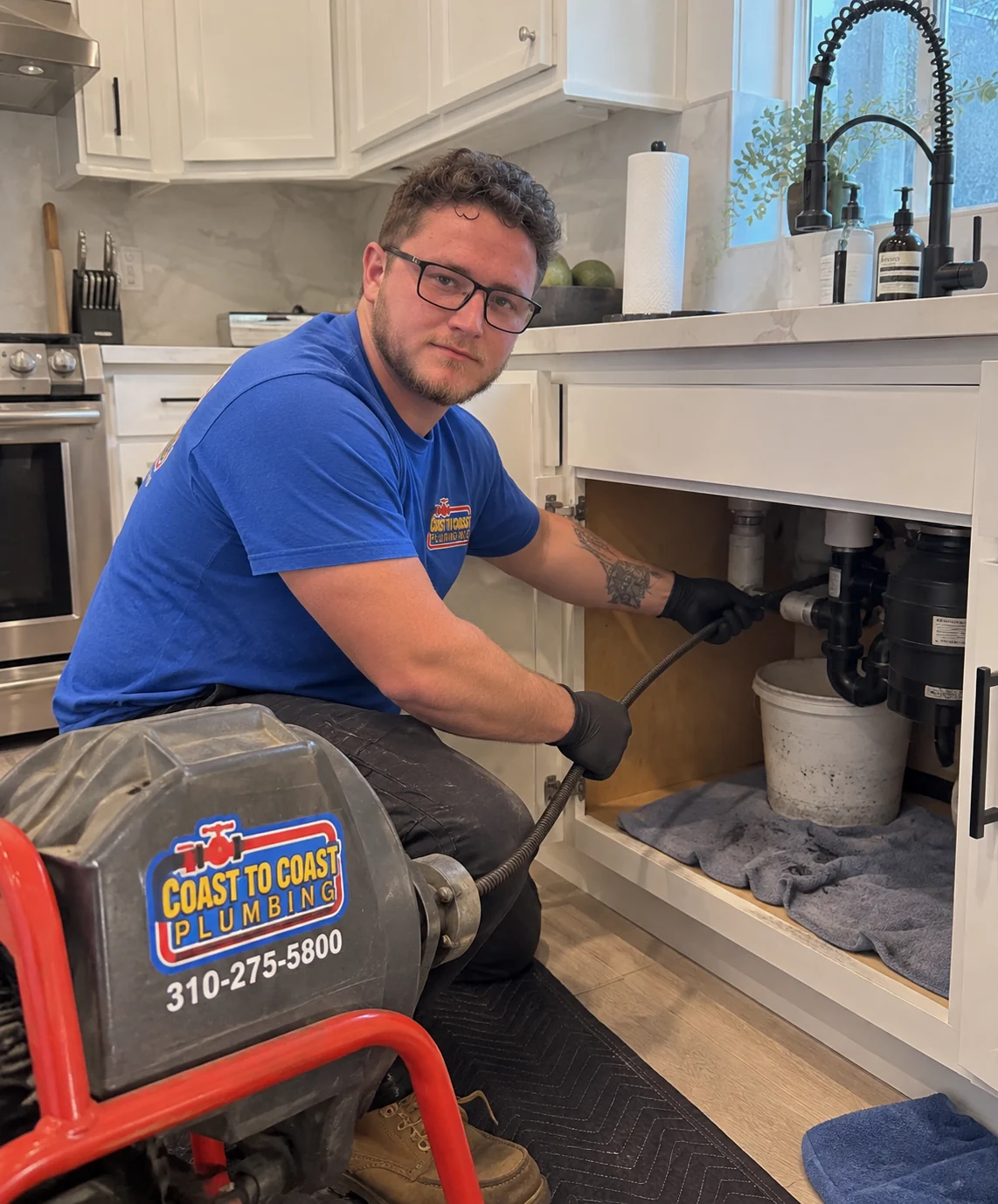
A drain that backs up again after clearing may have more than loose debris inside it. Coast to Coast Plumbing uses camera inspection as a diagnostic step for accessible sewer and drain lines in Los Angeles. Visible conditions can include roots, buildup, cracked pipe, offsets, standing water or a collapsed section.
An inspection helps explain what can be seen inside the line and what remains uncertain. It does not reveal every hidden issue or automatically mean that replacement is needed. The findings are reviewed alongside the symptoms, pipe access and any prior cleaning or repairs before the next step is recommended.
Repeated clogs, several affected drains, gurgling toilets and unexplained backups are reasons to discuss a sewer inspection. The pattern matters: a problem at one fixture can differ from a restriction affecting the main line. Tell us where the symptoms appear and how soon they return after cleaning.
Camera inspection can also help when you suspect pipe damage or need more information before a property purchase, sale or remodel. Reviewing accessible sewer conditions gives you a basis for questions and repair planning. The useful result is an explanation of the visible findings, rather than a repair decision based on symptoms alone.
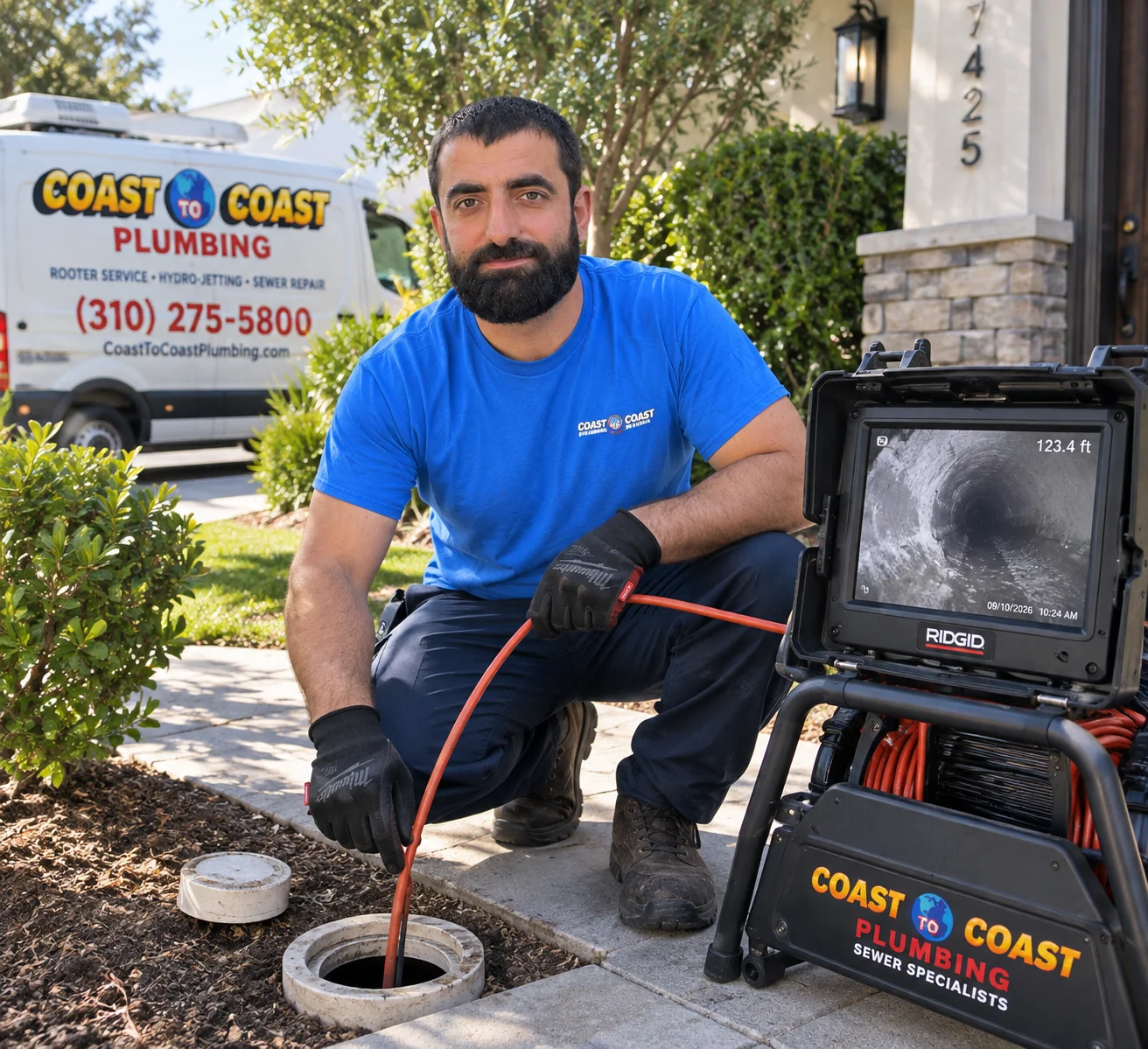
The camera lets the plumber review the interior of an accessible pipe. Roots at an opening, accumulated material, a crack, an offset joint or standing water can help explain a recurring drainage problem. The significance of each observation depends on its location, severity and the condition of the surrounding line.
A camera view has limits. Water, heavy buildup or an obstruction can prevent a clear picture or stop the camera from moving farther. Not every leak or hidden condition is visible from inside the pipe. We explain what was observed and whether more clearing, locating or evaluation is needed before discussing a repair.
A blocked line may need drain cleaning before it can be inspected effectively. If the pipe condition and access support it, hydro jetting may be considered for heavier buildup. Cleaning and inspection answer different questions: one addresses a restriction; the other helps review visible conditions inside the line.
A repeated blockage should not automatically lead to the same cleaning method every time. Camera findings can reveal why a problem returns, such as roots entering at a joint or a damaged section catching debris. We use the available evidence to explain whether further cleaning, monitoring or a repair discussion makes sense.
If the inspection points to damaged pipe, the next discussion may involve sewer line repair or replacement. A localized defect and a longer deteriorated run can require different work. Access, alignment, depth and connections help determine whether an appropriate repair can be localized or needs a broader scope.
The camera does not choose a repair by itself. Any recommendation should connect the visible condition to the proposed work and explain the alternatives. If the damaged section appears to extend into public space, locating and agency requirements also need review before a method or construction schedule is confirmed.
Share whether toilets, tubs, showers, sinks or floor drains are affected, and whether the issue occurs at one location or throughout the property. Mention recent cleaning, roots, odors, gurgling and past repairs. Existing footage or a report can be helpful background, especially if you are seeking another assessment.
For a rental, multi-unit building or business, provide the best contact person and access instructions. Explain whether the inspection is related to an active backup, a planned project or a purchase decision. This helps the visit begin with the right context and avoids treating very different sewer concerns as the same problem.
When sewage is actively backing up, stop using affected plumbing and tell us that first. A camera inspection may be part of the response, but the immediate condition and ability to access the line determine the order of work. Do not assume clear footage can be obtained through a heavily obstructed sewer.
Call (310) 275-5800 and describe what is happening, where you see it and how often it returns. Coast to Coast will discuss access, the diagnostic step that fits the problem and how the inspection findings can guide your cleaning or repair options.
Sewer Camera Inspection
A camera inspection documents visible conditions in an accessible line; it does not automatically establish that replacement is needed. Ask what the camera can reach and whether an obstruction must be cleared before useful footage can be obtained.
A repair recommendation should address the source of the problem. Ask which options are appropriate for your property, what access is needed, and how the proposed work will affect water use or building operations.
Before You Call
Describe recurring backups, affected fixtures and the results of previous cleaning. Share existing recordings or repair reports, and explain whether the inspection is for an active problem, a property purchase or a planned project.
Give the location of any known cleanout and the contact who can arrange access. If sewage is actively backing up, stop using affected plumbing and report that first so the order of clearing and inspection can be discussed.
Request Plumbing ServiceIt may show visible roots, buildup, offsets, cracks or standing water that contribute to a recurring problem. The line must be accessible, and a blockage or poor visibility can limit the inspection. Findings are considered with the symptoms and any previous cleaning.
Sometimes. An obstruction or heavy buildup can prevent the camera from passing or obscure the pipe. The plumber may recommend clearing first, then inspecting the accessible line. The sequence depends on the condition encountered rather than a fixed procedure for every property.
No. An inspection is a diagnostic step. It can support cleaning, monitoring or repair planning depending on what is visible. Replacement should be discussed only when the findings and site conditions support that recommendation.
It can provide information about visible conditions in an accessible sewer so you can ask informed questions. It does not guarantee that every hidden condition is identified. Explain that the request is for a purchase or sale when arranging access.
Describe the affected fixtures, timing, recurring symptoms, recent cleaning and any past root or repair issues. Provide the address, property type, authorized contact and access details. Share existing footage or reports if you have them.
Plumbing, drain and sewer services for Los Angeles homes and businesses.
Read what customers have shared about their plumbing, drain and sewer service.
Coast to Coast Plumbing
Plumbing, drain and sewer service for Los Angeles homes, businesses, rental properties and property managers.